
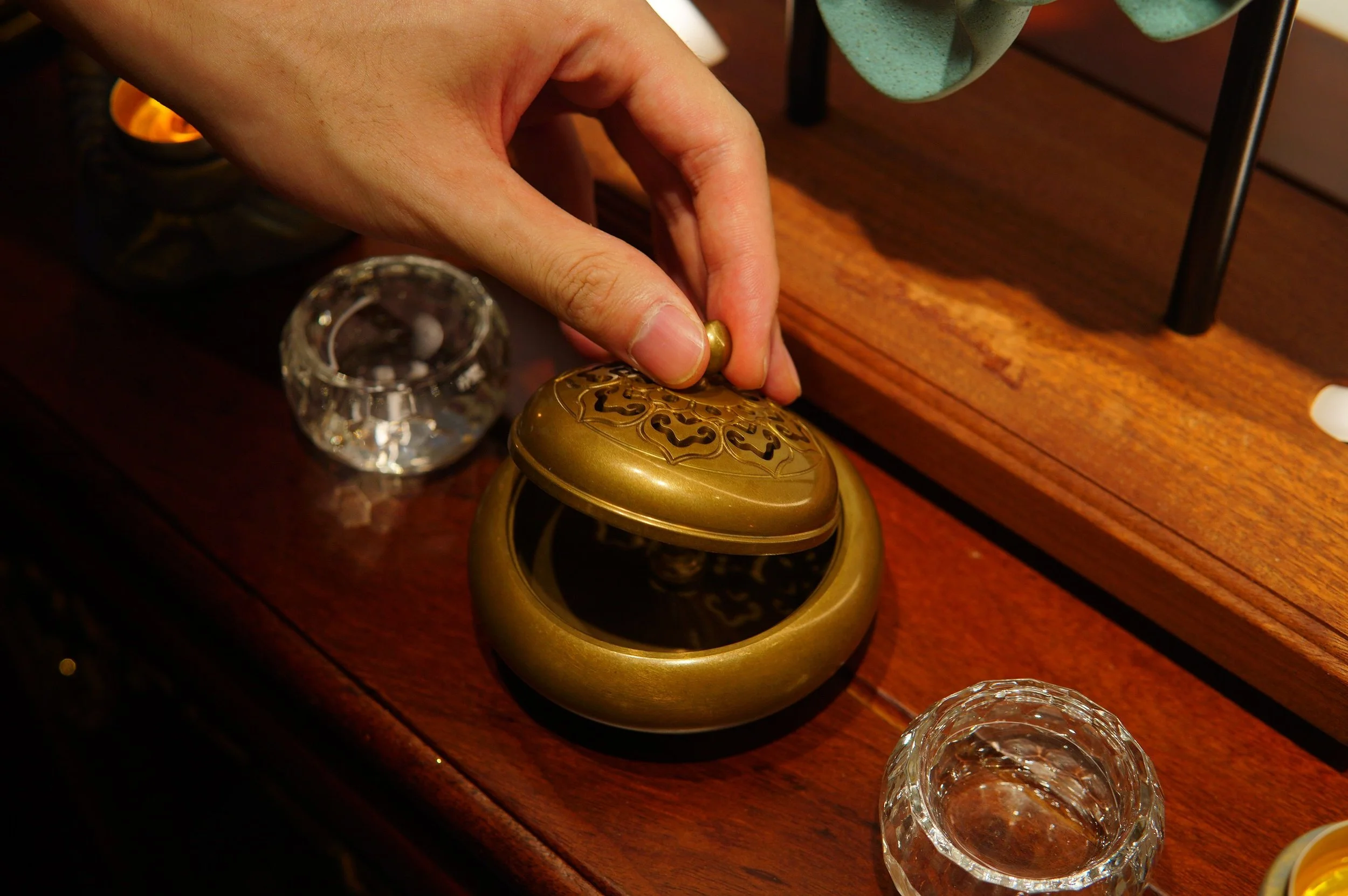
A hand lifts the ornate lid of a brass keepsake box.
When a house needs to go on the market quickly, you might walk through the front door and think, How are we going to make all these decisions in time? You open a cupboard and there’s the bowl that was always on the table at family dinners. On the desk is a stack of envelopes you haven’t had a chance to look through. And the person who could tell you what’s in that desk, or why that bowl matters, can’t be there with you.
I see this often in my work as a certified move manager. Sometimes the people making decisions have already moved. Sometimes they’re balancing work, family, or health needs. And sometimes the person who knew the house best has passed away, and the family is trying to get it ready to sell while they’re still grieving. When I’m helping a family in any of these situations, I start with one question. What would you want us to make sure we find?
Start With the Family’s Treasures
My team and I call these things the family’s treasures. That might be a piece of jewelry or a cabinet someone has already asked to keep. It might also be a recipe box with handwritten cards inside, a favorite wooden bowl, or a stack of photos the family wants to look through together. When someone says, “It’s the bowl Grandma used every Sunday,” that detail tells me more about what matters to them than a price tag ever could.
I ask families to think about two kinds of treasures. There are the things they already know they want to keep, and there are the things they want to see again before deciding. That second group is important. Maybe you remember a photo album from childhood and want to sit down with it before you decide where it belongs. You can ask me to set it aside, and we can keep working through the house while you take the time you need.
If you’re helping a friend or family member, try asking for a description and the last place they remember seeing each item. “Grandma’s photos” gives you a place to start. “The blue album in the bottom drawer of the living room cabinet” gives you something you can look for as soon as you walk in.
Give Everyone a Clear Deadline
Once people know what you’re asking for, give them a firm deadline with a date, a time, and a time zone. I’m that specific because family members may be spread across the country, and “by Friday” can mean Friday morning to the person opening boxes and Friday evening to the person sending the list. A clear deadline lets everyone know when you’ll be working from the information they’ve given you.
I also ask for the list in writing. An email, a text, or a written note can all work. Pick one way to receive it and tell everyone what you’d like them to include. For example, you might say, “Please email me by June 12 at 5 p.m. Eastern with the things you know you want to keep and anything you’d like me to set aside for you to review. If you remember what it looks like or where you last saw it, please tell me.”
If several people are sending requests, put them on one working list. As you find each item, jot down where you’ve set it aside. When someone calls to ask about the blue album, you can tell them you found it and where it’s waiting for them. That little bit of recordkeeping is especially helpful when more than one person is doing the sorting.
Look for What the List Might Miss
Even a thoughtful list can leave out things the family hasn’t had a reason to think about in years. I make a point of looking for sensitive financial paperwork and important documents that can be difficult or time-consuming to replace, including passports and birth certificates. Those things can turn up in a desk drawer, tucked into an envelope, or mixed in with a stack of everyday mail. I take a moment to check what’s inside before moving on.
I also set aside anything that appears to have significant value so the family can take a closer look. When I’m unsure about an item, I make a note of where I found it and keep it with the things awaiting review. I keep sensitive documents together in a secure spot so they’re easy for the family to locate when they need them.
If you have an hour to get started, you might spend it in the room most likely to hold the things on your list. Finding a few family treasures and putting important documents somewhere safe is a meaningful first pass. It gives you a place to pick up when you come back.
One of my favorite things to be able to tell someone is, “I found it. It’s safe.” If you’re looking around a full house and wondering how you’ll get it ready in time, begin with the things your family most wants to find. You can keep getting the house ready to list and give people room to make the decisions that need more time. I share more practical organizing tips like this online, and I’d love to have you follow along.
Pinky Jackson is a Decluttering Specialist and Home Organizing Expert. If you need expert organizing help, don't hesitate to reach out. Pinky and her team would love to help you. Onsite Organizing services are available in the Louisville, KY area and Virtual Organizing services are offered for clients in other locations and for those who prefer to work online. Visit pinkyjackson.com to learn about our services and schedule a free assessment.
Photo: Lê Đức @lngdik23
